
Dubrovnik

South Dalmatia · Croatia

Dubrovnik

The walled city at the end of the Adriatic. Better in June than August by a factor of ten.

Old City walls UNESCOMljet 35nmElaphiti islands

01

Ashore

Walk the city walls in the first hour after they open, before the cruise crowds. The full circuit is 1,940 metres and takes 90 minutes. Onofrio's Fountain at the Pile Gate, the Rector's Palace, the Franciscan pharmacy (1317, still working). The polished marble of Stradun is the Habsburg-era repaving after the 1667 earthquake.

02

Eat & Drink

Proto for the oysters from Mali Ston, an hour up the coast — the oyster farms have operated since the 16th century. Nautika for the white-tablecloth lunch with the wall view. Dalmatino for the home cooking the locals eat. The Pelješac peninsula produces the Plavac Mali wines; Dingač and Postup are the crus.

03

History

The Republic of Ragusa was a maritime city-state from 1358 to 1808 — a small, clever, neutral merchant republic that survived between Venice, the Ottomans, and the Adriatic storms by paying tribute to everyone and trusting nobody. The walls held for five centuries. The 1991 siege scarred but did not break the old town; rebuilt 1995–2005.

04

Beaches & Swimming

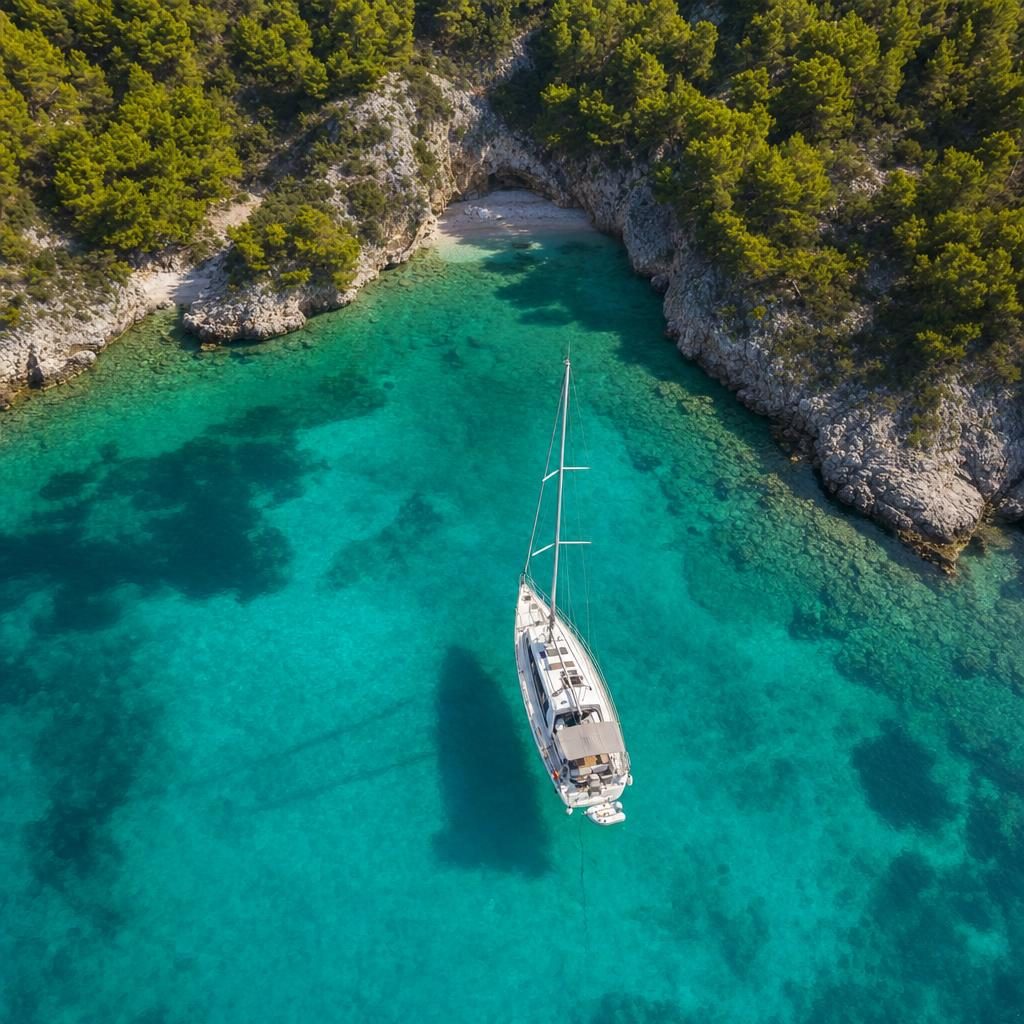
Banje is the city beach, just east of the walls. Sveti Jakov has the view back at Dubrovnik. By boat: Mljet National Park (35nm) for saltwater lakes inside an island, no anchoring inside, mooring buoys only; the Elaphiti Islands (12nm) are three car-free islands — Šipan is the least visited; Cavtat (18nm) for the deep bay protected from most winds.

05

Insider

Stay aboard or sleep outside the walls — accommodation inside the Old Town is roughly double the price and louder than the postcards suggest. The cable car up Mount Srđ at sunset, before dinner; the Imperial Fortress at the top was Napoleonic. Avoid July and August if you possibly can. June and September are a different city.

Nearby

What you'll actually find.

Mljet National Park

35nm

Island · National park

The island Homer described Odysseus spending seven years on. Saltwater lakes inside the island, connected by a channel wide enough for a dinghy.

No anchoring inside the park lakes — take a mooring buoy. The Benedictine monastery on the small island inside the lake.

Korčula

50nm

Island town · History

Marco Polo's birthplace. A medieval walled town on a headland, built in a herringbone pattern to channel the sea breeze.

Stern-to at the town quay. The Marco Polo house is a 5-minute walk. Lumbarda for the beach.

Elaphiti Islands

12nm

Island group

Three car-free islands — Koločep, Lopud, Šipan — each reachable in under two hours.

Šipan is the least visited. A governor's summer palace abandoned in 1945 sits above the harbour.

Cavtat

18nm

Town · Bay

The Roman predecessor to Dubrovnik. Quieter, gentler, with a deep bay that's protected from most winds.

The Račić mausoleum on the headland — Meštrović's stonework above the cypresses.

Wind & seasons

When to come.

AprGood
MayGood
JunPeak
JulGood
AugGood
SepPeak
OctGood
NovOff
DecOff
JanOff
FebOff
MarOff

Gentler than Central Dalmatia in summer. The Sirocco can appear from the south. June and September are the quiet months; August can feel relentless with ferries and crowds in the Old Town.

Peak Good Off

Charter

Sail from Dubrovnik.

From €2,950 per week, fully crewed.

EditorialMagazine